When a loss happens, the first hours can feel disorienting because practical decisions arrive before emotions have settled. For families seeking a
Poteet funeral home for guidance, it helps to focus only on what needs attention right away. We encourage families to confirm who should be notified, gather essential information, and let trusted professionals guide the next steps. Clear direction can reduce confusion without rushing deeply personal choices.
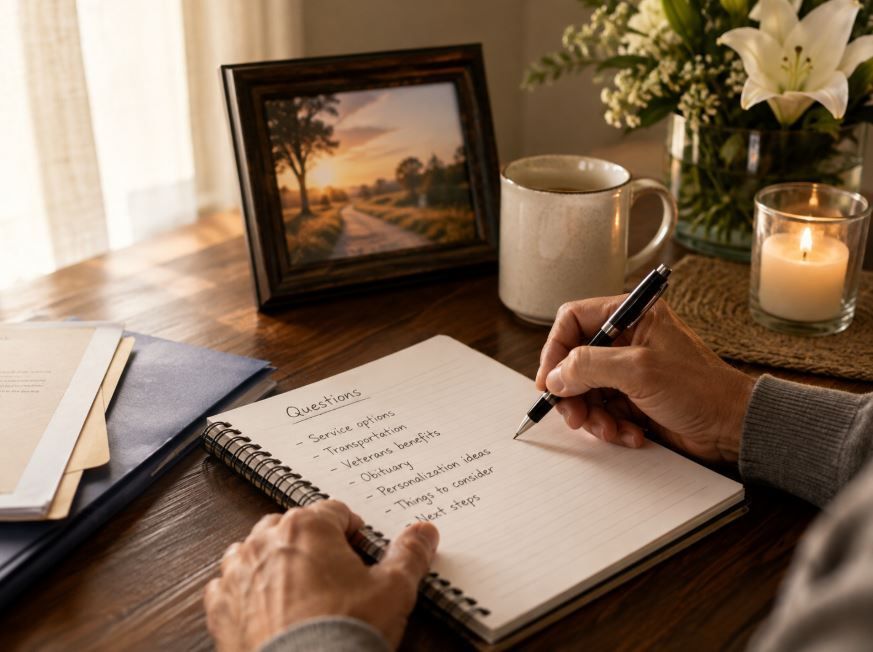
Early planning does not require every answer. Grief can affect concentration and memory, so writing down questions or leaning on a trusted relative can help. We know Hurley Funeral Home & Crematory can provide the calm structure families need while preserving room for personal traditions, faith preferences, and meaningful details. Our role is to explain choices clearly, coordinate necessary arrangements, and help families move forward at a respectful pace.
What Should Happen First?
The first step depends on where and how the death occurred. If a loved one was receiving hospice care, the hospice team can explain the immediate process. If the death was unexpected and no medical professional is present, emergency services should be contacted. Once the proper authority has been notified, families can review
what to do when a death occurs to better understand what comes next and which decisions can wait.
- Keep identification and essential personal records together.
- Notify close relatives who can provide steady support.
- Write down questions as they arise.
- Delay ceremonial choices until the family feels ready.
Who Needs to Be Notified?
Families often feel pressure to tell everyone at once, but that is rarely necessary. We suggest starting with people who can help with immediate responsibilities. One relative may notify extended family, while another gathers records or speaks with clergy. Creating a small circle of support gives the family breathing room and helps keep important information consistent during an emotional day.
When Transportation Is Needed
Transportation can become an early concern when a loved one dies away from the place where services will be arranged. We can explain help coordinating transportation after a loved one dies and work through the details with the appropriate parties. Families should not feel responsible for solving every logistical issue alone while they are still processing the news.
How Can Families Prepare for Arrangements?
Preparation becomes easier when families gather facts before making personal choices. Helpful information may include the loved one’s legal name, date of birth, family contacts, military history, faith preferences, and any written wishes. We also encourage families to decide who should join planning conversations. Our
guidance for preparing thoughtful funeral arrangements can clarify the kinds of decisions that may come up without making the process feel overwhelming.
Gather Only What Helps Now
- Government-issued identification and basic personal records
- Names and contact details for close relatives
- Military or clergy information, when relevant
- Written preferences or advance planning documents
How Can Families Protect Their Energy?
Many choices can wait until family members have time to talk. Personalization, music, readings, photographs, clothing, and the order of a service are meaningful, but they do not all need immediate answers. We encourage families to separate time-sensitive needs from tribute details. This protects emotional energy and gives relatives space to consider what best reflects the person they are honoring.
Supporting One Another While Planning
Grief can look different from one person to another. Some relatives may want to talk, while others may need quiet or practical tasks. We can make the days gentler by allowing different reactions without expecting everyone to respond the same way. Sharing meals, writing down memories, resting when possible, and assigning small responsibilities can help the family preserve energy for meaningful decisions.
Frequently Asked Questions
What should a family do immediately after a loved one dies?
Contact the appropriate medical professional, hospice provider, or emergency service based on the circumstances. Then notify close family members, gather essential records, and contact a funeral home for guidance with transportation and arrangements.
How soon should families contact a funeral home?
Families can contact a funeral home as soon as they are ready for guidance. A funeral professional can explain immediate responsibilities, coordinate transportation, and help identify which decisions need attention first.
What information should families gather before making arrangements?
Helpful information may include the loved one’s legal name, date of birth, identification, family contacts, military history, faith preferences, and any written funeral or burial wishes.
Do families need to make every decision immediately?
No. Some details, such as transportation and required documentation, may be time-sensitive, while music, readings, photographs, and other personalization choices can often be discussed later.
When Should Families Ask for Guidance?
No family should feel expected to manage every detail at once. For families in Poteet, Texas, choosing a Poteet funeral home begins with finding people who can explain the immediate steps clearly and respect the family’s wishes. We encourage relatives to focus on one decision at a time, ask questions freely, and accept help with practical coordination.
Hurley Funeral Home & Crematory is here to provide steady guidance while families determine what feels right for their loved one. Our grief support resources for families after loss can also provide thoughtful guidance as the days continue. For
compassionate help with arrangements and next steps, call
(830) 569-2535 and speak with our caring team.